

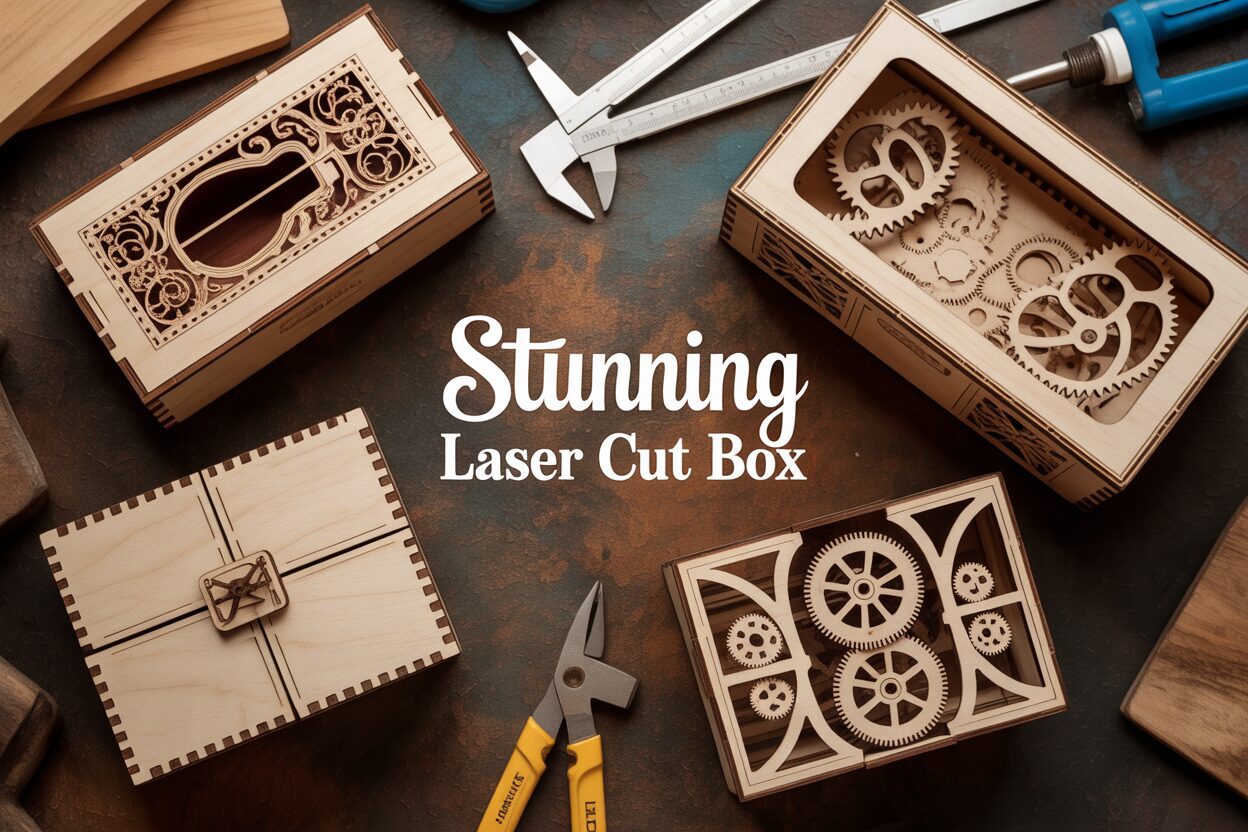
How to Make a Stunning Laser Cut Box: A Step-by-Step Guide
Mar
Estimated reading time: 7 minutes
Key Takeaways
- Design is Paramount: A successful laser cut box starts with a well-structured design that accounts for material thickness and laser kerf. Utilize online generators, marketplaces, or free community platforms to find or create your blueprint.
- Material Matters: Choose your material based on the desired look, feel, and durability. Birch plywood is a strong and popular choice, MDF is ideal for painting, and acrylic offers a modern, colorful finish.
- Test Cuts are Non-Negotiable: Always perform a test cut on a scrap piece of your final material to dial in the perfect power, speed, and frequency settings for clean, consistent results.
- Assemble with Precision: Always perform a dry-fit before gluing to ensure all pieces fit correctly. Use wood glue sparingly and clamp the box during curing for a strong, clean bond.
Table of Contents
Dive into the world of laser cutting and discover how to create custom boxes with precision and style. This guide will walk you through the entire process, from initial concept to a beautifully finished product. Whether for personal use, as a unique gift, or for your business, crafting a laser cut box is a rewarding and accessible project for all skill levels.
Interested in more Boxes? Check out our Boxes laser file designs: Click here!
Choosing the Perfect Design and Materials
The foundation of any successful laser cut project, especially a box, is its design. A great design is more than just aesthetically pleasing; it is a functional blueprint that ensures every piece fits together perfectly. It accounts for the material thickness, the laser’s kerf (the sliver of material burned away by the beam), and the structural integrity of the final product. Starting with a flawed or poorly considered design is a recipe for frustration, leading to wasted material and a box that either won’t assemble or falls apart. Investing time in finding or creating a solid design is the most critical first step towards a stunning finished piece.
Finding Your Blueprint: Sourcing and Creating Designs
Fortunately, you don’t have to be a master designer to get started. The internet is a treasure trove of high-quality laser cut box designs.
- Online Marketplaces: Websites like Etsy, Creative Market, and Design Bundles host countless professionally crafted designs for a small fee. The advantage here is that these files are typically test-cut and often come with detailed instructions, making them ideal for beginners or for complex projects like puzzle boxes.
- Community Platforms: Free resources like Thingiverse, Instructables, and Vecteezy offer a vast library of user-submitted designs. While the quality can vary, you can find incredible and unique plans. Always read the comments and check for photos of completed makes to gauge the quality of a file before downloading.
- Online Box Generators: For a truly custom fit, online box generators are an indispensable tool. Websites like MakerCase or the online generator for Boxes.py allow you to enter your desired length, width, and height, along with your material thickness. The software then automatically generates a downloadable file (typically SVG or DXF) with perfect finger joints, ready for cutting. This is the fastest way to create a simple, functional box tailored to specific dimensions.
From Digital to Physical: Selecting Your Material
Once you have your design, the next crucial choice is your material. The material dictates not only the look and feel of your box but also its durability and how it behaves under the laser. For beginners, wood-based products are the most forgiving and popular choice. Birch Plywood is a top contender due to its strength, stability, and beautiful layered edge profile after cutting. It provides a classic, natural wood look that is both elegant and sturdy. Another excellent option is MDF (Medium-Density Fiberboard). MDF is incredibly uniform and consistent, which means it cuts very predictably. While its cut edges aren’t as aesthetically pleasing as plywood’s, its perfectly smooth surface makes it the ideal choice for boxes you intend to paint. For a more modern or vibrant look, consider acrylic. It cuts cleanly, comes in a rainbow of colors (including transparent), and can give your project a sleek, high-end finish, though it is more brittle than wood.
The Thickness Factor: Strength and Delicacy
Finally, you must decide on the material thickness, a choice that directly impacts the box’s purpose and strength. The thickness you choose must match the specifications of your design file; a design intended for 3mm material will not assemble if cut from 6mm stock, as the slots and tabs will not fit. For a heavy-duty project like a laser cut wine box, you’ll want a thicker, more robust material like 5mm or 6mm (¼ inch) plywood. This thickness provides the necessary rigidity to protect its contents and gives the box a substantial, high-quality feel. Conversely, for a small, decorative laser cut gift box meant for something light like jewelry, a 3mm (⅛ inch) material is often perfect. It’s lightweight, cost-effective, and allows for finer, more intricate details in the laser-cut patterns without appearing bulky. Always consider the box’s intended use: will it bear weight, be handled frequently, or simply sit as a delicate decorative piece? Answering this question will guide you to the perfect material thickness for a beautiful and functional result.
Mastering Your Laser Cutter Settings
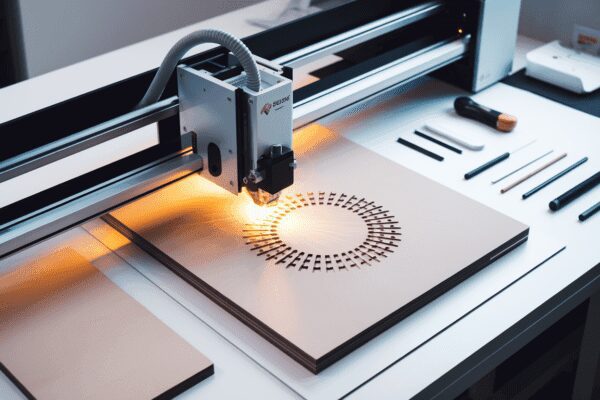
With your design finalized and your material selected, it’s time to translate your digital blueprint into instructions for the laser cutter. This is where you master the machine’s core settings: power, speed, and frequency. These three variables work in tandem to control how the laser beam interacts with your material, and finding the perfect balance is the key to achieving professional results.
- Power: Expressed as a percentage, this determines the output of the laser beam. Higher power delivers more energy, resulting in deeper or faster cuts.
- Speed: This is the velocity at which the laser head moves across the material. Slower speeds keep the beam focused on one spot for longer, effectively increasing the energy delivered.
- Frequency (or PPI – Pulses Per Inch): This setting applies mainly to CO2 lasers and controls how many times the laser fires per second or inch of travel. For cutting wood, a lower frequency (around 500-1000 Hz) can reduce charring and produce a cleaner edge.
The interplay is crucial: high power and slow speed will blast through material but may leave heavy, charred edges. Low power and high speed might not cut through at all. Your goal is to find the sweet spot—the lowest power and highest speed that will cleanly and consistently cut through your material in a single pass.
Dialing It In: The Importance of the Test Cut
Never assume that the settings you used yesterday will work perfectly today. Natural materials like wood have inconsistencies in density and moisture content, and even different sheets from the same batch can behave differently. This is why performing a test cut is not an optional step; it is essential. Take a small scrap piece of the exact material you plan to use for your box. Create a small test file in your laser software—a 1-inch square is perfect. Start with a recommended setting for your material and cut the square. Did it cut all the way through? If you have to pop it out forcefully, you need more power or less speed. Did it fall out cleanly but the edges are dark and sooty? Try decreasing the power slightly or increasing the speed. Your aim is a piece that drops out on its own with minimal charring on the top and bottom surfaces. Run a few tests, adjusting one variable at a time until you achieve that perfect, clean cut.
Cutting vs. Engraving: A Tale of Two Settings
Your laser software allows you to assign different settings to different parts of your design, usually based on color. This is critical when your project involves both cutting out shapes and engraving surface details. Cutting requires settings that will penetrate the material completely, while engraving only needs to ablate the surface. Let’s consider a book box laser cut project.
- The Cutting Operation: The vector outlines that form the box’s sides, top, and bottom would be assigned to a “cut” layer. For 3mm birch plywood, this might be Power: 65%, Speed: 20mm/s, Frequency: 1000Hz.
- The Engraving Operation: The title and decorative filigree on the book’s “spine” would be on an “engrave” layer. The goal here is a clean surface mark, not a deep cut. A typical setting might be Power: 15%, Speed: 300mm/s, Frequency: 5000Hz.
By separating these operations, you tell the machine to first perform the high-speed engraving, and then slow down and increase power to perform the precise, full-depth cuts. Mastering this distinction is what allows you to move from simple containers to intricately detailed and personalized creations.
Assembly and Finishing Techniques
Once the laser has finished its work, you are left with a sheet of precisely cut components, a flat-pack kit for your creation. The journey from two dimensions to three now begins. Carefully remove the pieces from the laser cutter bed. They should pop out easily; if not, your cut may not have gone all the way through. Lay them out on a clean work surface. You will likely notice a thin layer of soot or resin residue along the cut edges. Using a cloth lightly dampened with isopropyl alcohol or simply a dry paper towel, gently wipe down the edges and surfaces of each piece. This initial cleaning prevents smudges during assembly and prepares the wood for a clean glue bond.
The Critical Dry-Fit Assembly
Before a single drop of glue is applied, you must perform a dry-fit. This is the single most important step in the assembly process. Begin systematically piecing the box together, slotting the finger joints into their corresponding places. The fit should be snug, requiring just a little bit of finger pressure to connect. If you need a hammer, your design’s kerf compensation is too tight. If the joints are loose and wobbly, the compensation was too great. The dry-fit allows you to identify any tight spots, which can be addressed with a light pass of a small file or sandpaper, and to familiarize yourself with the assembly order. For a project like a complex laser cut puzzle box with internal mechanisms and moving parts, this step is non-negotiable. It’s your only chance to ensure that sliders move freely and hidden compartments operate as intended before committing them permanently with glue.
The Art of Gluing and Final Construction
With a successful dry-fit completed, disassemble the box and prepare for the final bond. A quality PVA wood glue is your best choice. The golden rule of gluing is that less is more. Excess glue will squeeze out of the joints, creating a messy residue that is difficult to clean and can interfere with the finish. Apply a very thin, even bead of glue to the “fingers” of one of the joining faces. A toothpick or a small brush is excellent for spreading the glue into a thin layer, ensuring full coverage without over-application. Join the pieces together, pressing firmly. Repeat this process for all joints. Once assembled, use painter’s tape, rubber bands, or small clamps to hold the box together securely while the glue cures, typically for at least an hour. Immediately wipe away any glue that squeezes out with a damp cloth; it is much harder to remove once it starts to dry.
Polishing Your Creation: Sanding and Finishing
After the glue has fully cured (check the manufacturer’s recommendation, often 24 hours for full strength), it’s time for the final touches that elevate your project from a simple box to a finished piece. Start by lightly sanding all surfaces and edges with a high-grit sandpaper, such as 220-grit. The goal is not to reshape the box, but to remove any minor surface blemishes and to gently break the sharp, laser-cut corners, giving it a more pleasant tactile feel. Be careful not to oversand the joints. Finally, apply a finish to protect the wood and enhance its natural beauty.
- Varnish or Polyurethane: Provides a durable, protective clear coat with a satin or gloss finish, ideal for boxes that will be handled frequently.
- Danish Oil or Tung Oil: Penetrates the wood to bring out the depth and color of the grain for a beautiful, natural-looking matte finish.
- Paint: The best option for MDF or for adding a custom color. Always apply a primer first for the most even and vibrant result.
This final step not only makes your box look stunning but also seals the material against moisture and wear, ensuring your creation will last for years to come.
Conclusions
You now have the knowledge to create stunning, custom-made boxes for any occasion. By following these steps, you can turn a simple sheet of wood into a functional work of art. Don’t be afraid to experiment with different designs and materials. Explore our shop for unique laser cut box designs to kickstart your next project and start creating your own masterpieces today!
Frequently Asked Questions
Q: What is the best material for a beginner laser cutting a box?
A: For beginners, 3mm (⅛ inch) Birch Plywood is an excellent starting point. It’s strong, forgiving, cuts predictably, and has an attractive finished look. MDF is another great option, especially if you plan to paint your box.
Q: Why do my box joints fit too tightly or too loosely?
A: This is almost always an issue with “kerf” compensation. The laser burns away a small amount of material (the kerf). Your design must account for this gap. If joints are too tight, the kerf setting is too small (or non-existent). If they are too loose, the kerf setting is too large. Using an online box generator that automatically calculates kerf is a great way to avoid this problem.
Q: Can I use the same laser settings for cutting and engraving?
A: No, you must use different settings. Cutting requires high power and low speed to penetrate the material fully. Engraving uses very low power and high speed to only mark the surface. Your laser software will allow you to assign different settings to different colored lines in your design file to handle both operations in one job.
Subscribe to Our Newsletter
And enjoy FREE Download Files, SALE Alerts and Inspiring TIPS
How to Make a Stunning Laser Cut Box: A Step-by-Step Guide
A Beginner’s Guide to Making a Laser Cut Box
A Beginner’s Guide to Crafting a Custom Laser Cut Box
Charcuterie Board Engraving File – Wine & Grapes 3D Illusion…
$4.00Original price was: $4.00.$3.00Current price is: $3.00.(25% off)
Bee and Honey Jar Charcuterie Board Engraving File | PNG Download #007…
$4.00Original price was: $4.00.$3.20Current price is: $3.20.(20% off)
Valentine Love Captions: 6 Charcuterie Board Engraving Files…
$8.00Original price was: $8.00.$5.60Current price is: $5.60.(30% off)
American Eagle Flag Laser Engraving File for Charcuterie & Cutting…
$4.00Original price was: $4.00.$2.80Current price is: $2.80.(30% off)